Post Code:511400
Email:sales@blaccessory.com
whatsApp:+86 18028696007
Q&N Fashion Accessory - Professional Customized Cosmetic Bag & Hair Accessory Manufacturer

Late launches cost money. Quality issues cost trust. I want a country choice that lowers both risks and keeps my margins safe.
There is no single “best” country. Match country strengths to your bag type, order size, material needs, lead-time, and compliance. I compare total landed cost, speed, and risk, then pick one primary base plus a backup.
#best country for bag manufacturing, OEM cosmetic bag, sourcing strategy
If you want fewer surprises and steadier sell-through, keep reading. I will share how I compare China, Vietnam, India, Bangladesh, Turkey, and Italy for cosmetic bags and soft goods. I add quick tests you can run this week. I also share what has worked for me on real orders and trade show rushes.
What Makes a Country “Best” for Your Brand?
A cheap quote can hide delays. A fast lead time can hide quality risk. I weigh the whole picture.
Define “best” using five scores: Quality yield, Lead time, Flexibility (MOQs and custom work), Ecosystem access (materials, hardware, printing), and Total landed cost (unit + freight + duty + rework). Then compare with your launch calendar.
#country comparison, manufacturing scorecard, total landed cost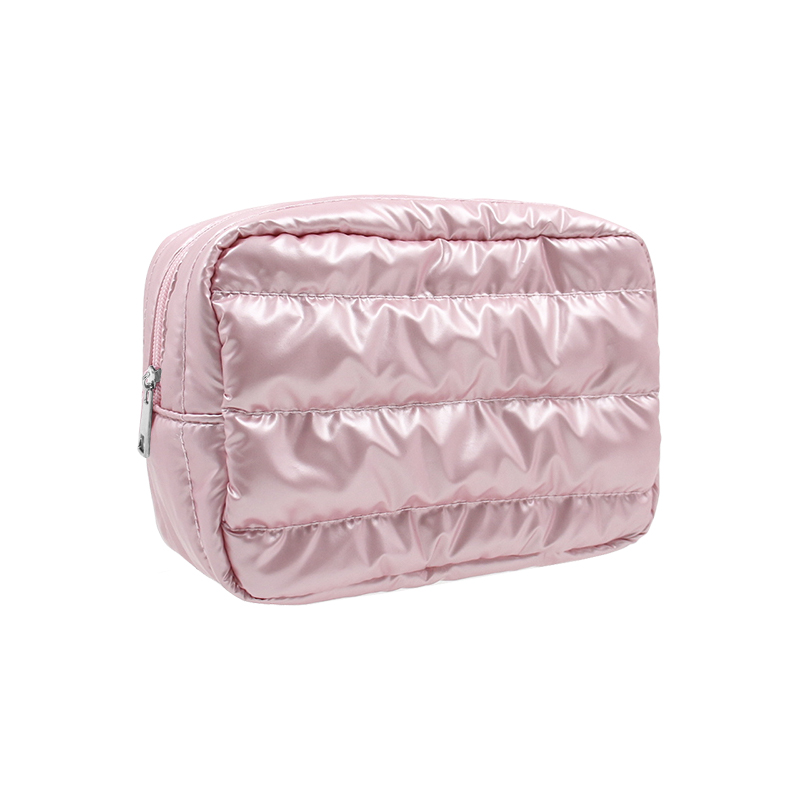
I keep a one-page scorecard. I rate each country from 1 to 5 across five factors. I fill it with supplier evidence, not guesses: pass rates from prior POs, average days from PO to PP sample, standard MOQs for custom hardware, proximity to fabric and zipper markets, and historical chargebacks. I add duty rates and typical freight modes for your routes. When two countries tie, I let the calendar break the tie. If your retailer date is fixed, I favor the location with more sampling capacity and better material access. If your brand wants lower MOQs and fast color changes, I favor the cluster with stronger trim and printing options. I learned this after a holiday gift set project where a cheap unit price lost me three weeks on custom pulls. The best country is the one that delivers your launch on time with fewer late-stage surprises.
| Factor | Weight | China | Vietnam | India | Bangladesh | Turkey | Italy |
|---|---|---|---|---|---|---|---|
| Quality yield | 25% | 5 | 4 | 4 | 3 | 4 | 5 |
| Lead time | 20% | 5 | 4 | 3 | 3 | 4 | 3 |
| Flexibility/MOQ | 20% | 5 | 3 | 4 | 3 | 4 | 3 |
| Ecosystem access | 20% | 5 | 3 | 3 | 3 | 4 | 4 |
| Landed cost | 15% | 4 | 4 | 4 | 5 | 3 | 2 |
Is China Still the Best Overall Choice?
Speed and choice win seasons. I use China when I need both at once.
China offers deep material markets, fast sampling, strong customization, and stable yields. For cosmetic bags and accessories, clusters near Guangzhou and Yiwu reduce sourcing time, offer wide hardware options, and keep MOQs friendly for seasonal color drops.
#China bag manufacturing, Guangzhou ecosystem, fast sampling
When I build a custom cosmetic bag, I need fabric, lining, TPU panels, zippers, pullers, print/emboss tools, labels, and packaging—all at once. In China, these inputs sit close together. I can approve a zipper puller sample in days, not weeks. TPU clarity, PU textures, quilting, and logo methods sit in the same ecosystem, which shortens trial loops. I also get flexible MOQs: seasonal colors at 300–500 units per SKU, sometimes less with shared materials. Lead times run 25–40 days after PP sample for standard builds, faster with stocked trims. I still run strict QC with AQL checkpoints because speed can hide mistakes. But when I need a rush for a retailer set or an influencer drop, China has the capacity and options to land it. The bonus is backup: if one line is full, another factory down the road can take overflow without changing materials.
| Area | Strength | Watch-Out |
|---|---|---|
| Materials | Huge variety, fast sourcing | Popular colors can stock-out in peak |
| Custom work | Tooling in days | Approve artwork on real material |
| Lead time | 25–40 days typical | Golden Week/CNY calendars |
| MOQs | Flexible on trims | Specialty hardware may raise MOQs |
| QC | Mature systems | Inspect early at fabric and cut stages |
When Does Vietnam Win?
You want stable quality and tariff advantages in some markets. You also want neat stitching on technical nylon. Vietnam fits that plan.
Vietnam is strong in technical bags, backpacks, and neat nylon builds. Many plants are export-focused with clean lines and lean systems. Lead times are solid, but customization and small MOQs can be tighter than China.
#Vietnam bag manufacturing, technical nylon, tariff advantage
I go to Vietnam for structured nylon travel cases and outdoor-leaning pieces. Stitch lines are clean, bartacks are consistent, and factories follow lean flow charts well. I plan more time for custom hardware and prints, since local trim options can be narrower. If I need ten zipper colors next month, China reacts faster. For Vietnam, I lock the color set early and batch POs to meet MOQs. I ship launch quantities by air for date certainty and send replenishment by sea for cost. I also book capacity early; strong lines fill fast during peak seasons. If your brand sells into markets where Vietnam-origin duties are favorable, the landed cost can beat China by a few percent, which matters at volume. The trade-off is flexibility. I adapt designs so they use trims that the plant stocks, and I avoid last-minute color swaps.
| Area | Strength | Watch-Out |
|---|---|---|
| Stitch quality | Very neat nylon work | More time for custom trims |
| Duties | Often favorable by lane | Check current rules |
| Lead time | Predictable | Peak season capacity tight |
| MOQs | Higher on customs | Plan colorways early |
| Categories | Backpacks, travel | Fewer TPU/PVC window options |
What About India and Bangladesh?
You want cotton canvas, artisanal textures, and sharp unit economics. You also want volume options. I use India and Bangladesh for these strengths.
India shines on cotton canvas, prints, quilting, and craft details. Bangladesh offers strong pricing on volume basics. Both require firm pre-production control and clear BOMs to protect color and shrinkage.
#India canvas bags, Bangladesh pricing, cotton totes
For India, I design around cotton and surface interest: quilting, kantha, block prints, and soft-hand finishes. I lab test shrinkage and colorfastness early and run wash tests with real detergents. I lock GSM and weave type in the BOM. Zippers and PU trims may import from elsewhere, so I add buffer time. For Bangladesh, I set clear specs and invest in operator training at the start of a program. Yields are strong on repeatable SKUs like canvas totes and basic pouches once SOPs stabilize. I stay close during the first PO: in-line checks at cut-and-sew and final inspection with carton drop tests. When price pressure is high on gift-with-purchase or promo sets, Bangladesh can unlock margin. For premium gift sets with complex trims, I often build in China and complement with India-made canvas accessories for the brand story.
| Country | Best For | Strength | Watch-Out |
|---|---|---|---|
| India | Canvas/quilting/prints | Rich textures, artisan feel | Shrinkage, dye control |
| Bangladesh | Volume canvas/pouches | Sharp unit cost at scale | Longer ramp, SOP discipline |
Do Turkey and Italy Make Sense?
Fast EU lanes cut transit time. Premium finishing lifts brand value. Turkey and Italy serve these needs.
Turkey is strong for PU/leather-look fashion bags with fast EU delivery. Italy leads on true leather, pattern craft, and luxury branding. Both improve speed to European shelves but raise unit cost.
#Turkey bag manufacturing, Italy leather bags, EU lead time
I move to Turkey when a European retailer needs fast drops and I want PU fashion looks with quick color repeats. Transit is short, and small-batch repeats are doable. I keep an eye on PU supply and price swings. For Italy, I use it for leather capsule collections, signature silhouettes, and high-visibility collabs. Pattern work and edge paint are top tier. I protect margins by limiting the SKU count and pricing as premium. I often combine: core cosmetic bags from Asia, hero leather sets from Italy, and express EU replenishment from Turkey. This ladder lets a brand hit multiple price tiers while keeping calendars tight. The key is to align brand story: “daily smart” from Asia, “limited artisan” from Europe.
| Country | Best For | Lead-Time Edge | Cost Note |
|---|---|---|---|
| Turkey | PU fashion, quick repeats | Short EU lanes | Mid–high unit cost |
| Italy | Leather luxury | Craft + cachet | Highest unit cost |
How Do Tariffs, Freight, and Compliance Change the Answer?
A good ex-factory price can lose to duty and air. I count the full trip, not just the factory gate.
Calculate landed cost: unit + pack + duty + freight + inland + QC + rework risk. Map compliance (REACH, Prop 65, labeling) to each country’s common materials and your retailer rules.
#landed cost calculator, duty and freight, compliance
I build a simple calculator in a sheet. I add duty codes for fabric bags, PU, leather, and TPU windows. I put two freight modes per lane: launch by air (DDP or courier) and replenishment by sea or rail. I add a “risk buffer” line for rework or chargebacks. Then I layer compliance: REACH SVHC for EU, Prop 65 for U.S., and any retailer chemical lists. If your assortment uses PVC, the country choice matters less than your test plan and supplier discipline. If your brand claims recycled content, I check documentation like GRS. A country with weaker local testing support is not a deal breaker, but I budget third-party lab time. When I compare China vs Vietnam vs India with these full numbers, the winner often changes by lane and launch date. That is why I decide per program, not forever.
| Component | What to Include | Tip |
|---|---|---|
| Ex-factory | Unit, trims, packaging | Confirm packout early |
| Duty | HS code by material | Simulate scenarios |
| Freight | Air vs sea | Split launch vs repl. |
| Inland | Trucking, 3PL fees | Retailer routing guide |
| QC & Labs | AQL, chemical tests | Book labs early |
| Risk buffer | Rework/chargebacks | 1–3% of COGS |
How Do I De-Risk With a Two-Country Strategy?
Single-country bets break under shocks. I prefer one base plus one “relief valve.”
Pick a primary country for speed and customization, and a secondary for backup or price plays. Share materials and artwork across both. Qualify both before you need them.
#dual sourcing strategy, supplier backup plan, risk management
I set China as primary for cosmetic bags with TPU windows, quilting, and quick color flips. I line up a Vietnam or India partner as secondary. I standardize zippers, labels, and cartons so BOMs match. I build PP samples at both sites on the same week when possible. I place the first PO with the primary, then a small shadow PO with the secondary to keep them warm. If demand jumps or a holiday hits the line, I open the valve. For price-driven promo SKUs, I move volume to Bangladesh once SOPs stabilize. For fast EU replenishment, I stage a Turkey line for small repeats. This is not complex once the files are clean. The win is calendar safety. My launches stop depending on one port, one festival, or one cluster.
| Role | Country | Why |
|---|---|---|
| Primary | China | Speed, trims, customization |
| Secondary A | Vietnam | Neat nylon, duty edge |
| Secondary B | India/Bangladesh | Canvas + price |
| EU Express | Turkey | Fast repeats near market |
Conclusion
There is no single best country. There is a best fit for each program. Match design and calendar to country strengths, calculate landed cost, and qualify a backup before you need it.

Address:3rd Floor, 3rd Building, Shenlan Industrial Park, Huijiang, Panyu, Guangzhou, Guangdong, China
Tel:+86 18028696007
Mobile:+86 02031147941
Post Code:511400
Email:sales@blaccessory.com
whatsApp:+86 18028696007
Cosmetic bag manufacturers, custom cosmetic bags, cosmetic bag factory, bulk canvas cosmetic bags, wholesale bulk cosmetic bags, beauty, skin, PVC.
Hair Accessories: Hair ties, hair clips, headbands, and hairbands. Chic, stylish, suitable for any occasion.
Copyright © 2026 Bling Accessory Co., Ltd. | All Rights Reserved.

